Вход
За вход в Eclipse можете да използвате вашия имейл в @unwe.bg.
Университет за национално и световно стопанство

| Статус | Брой |
|---|---|
| Централна библиотека - хранилище (Цб) | 1 |
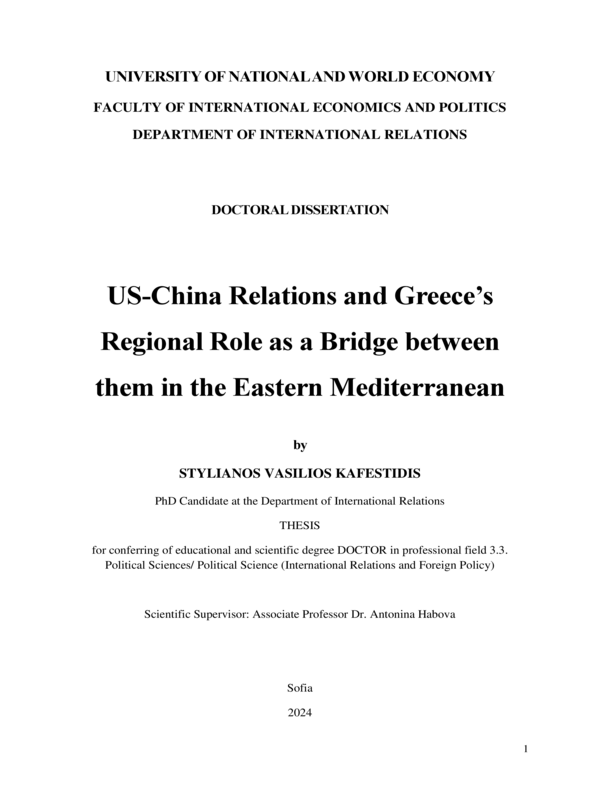
Stylianos Vasilios Kafestidis (2024)
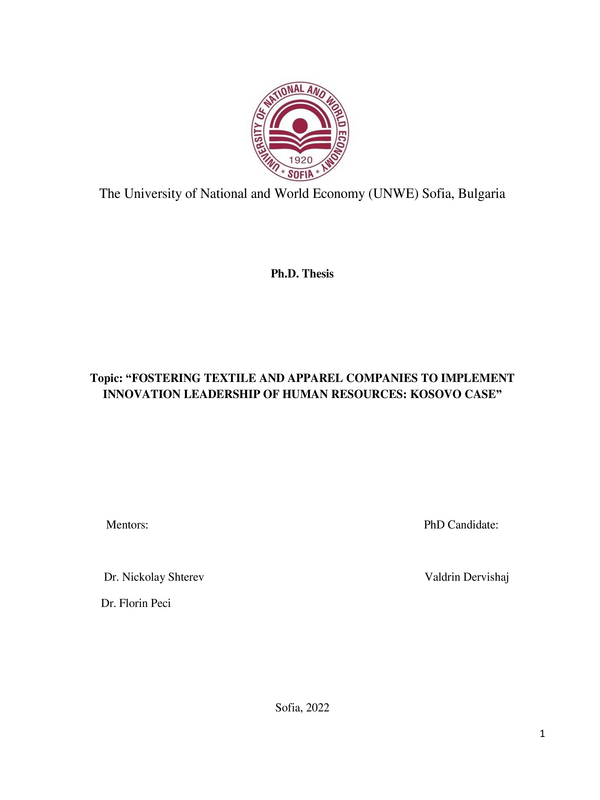
Valdrin Dervishaj (2022)

Kalina Filipova Ishpekova-Bratanova (2021)